
Cofabel becomes exclusive distributor of RootWave in Belgium and the Netherlands
Cofabel becomes exclusive distributor of RootWave: A major step forward in sustainable weed control for fruit growing and viticulture.
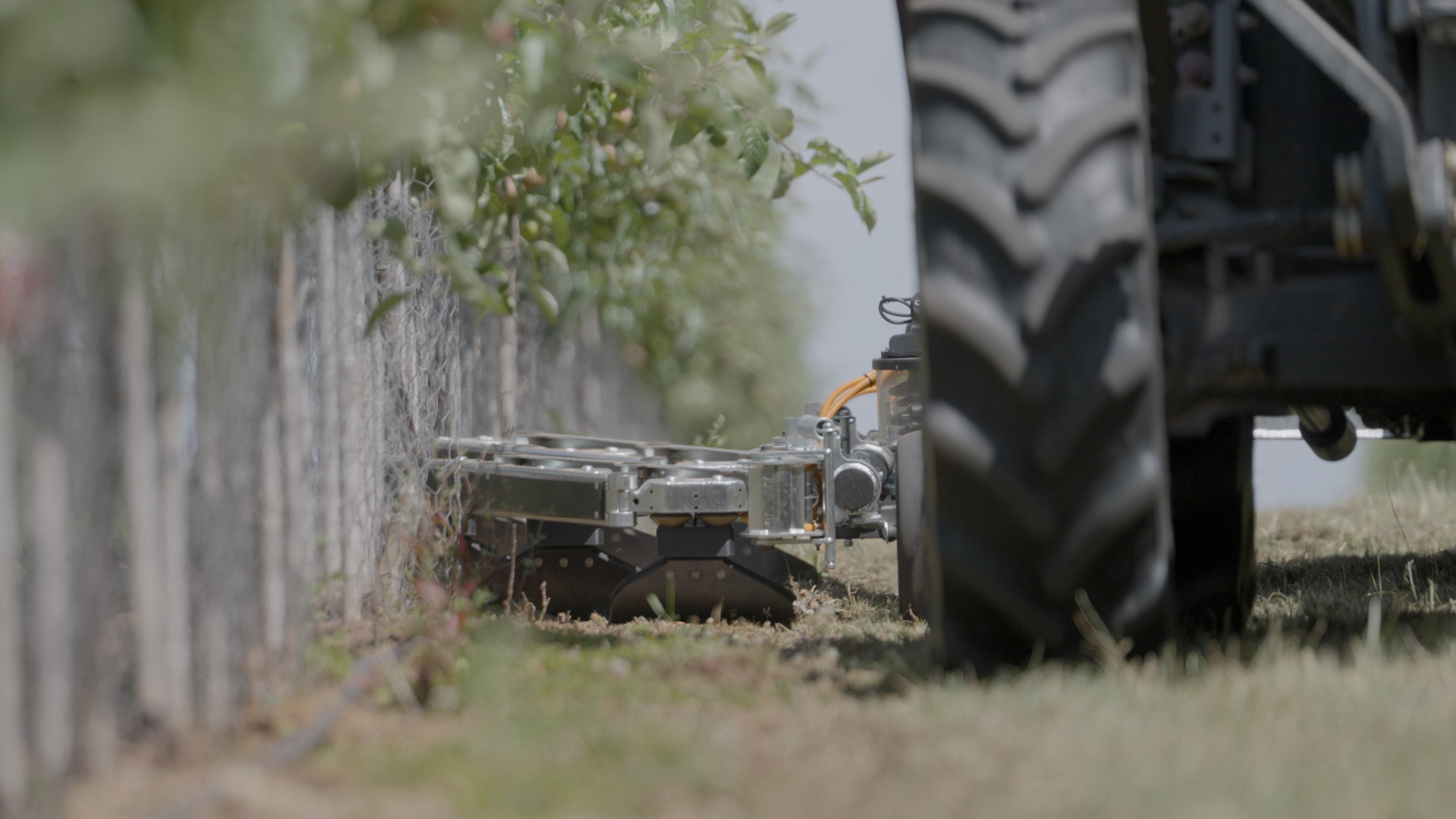
Cofabel becomes the exclusive distributor of RootWave in Belgium and the Netherlands. RootWave is an innovative technology that controls weeds using electrical current. It offers a residue-free, efficient and sustainable alternative to traditional weed control. An important step towards more sustainable weed management in Belgian agriculture.
RootWave is the British pioneer in electrical weed control. Weeds are destroyed down to the root using electricity, achieving up to 99% effectiveness in a single pass in independent field trials. This chemical-free method does not affect soil structure and can be used in both conventional and organic farming systems. With increasingly strict regulations on crop protection and rising resistance issues in certain difficult weeds, it is certainly an innovation worth noting.
Cofabel actively contributed to field testing of RootWave prototypes, helping to refine the technology further. Thanks to this intensive testing phase and extensive feedback from the field, a robust and ready-to-use machine can now be deployed this year, fully aligned with the needs of Belgian and Dutch fruit growers.
RootWave implements can be easily mounted on existing tractors and meet the growing demand for sustainable, practical and future-proof solutions.
RootWave offers solutions for orchards, vineyards and nature management, and is also working hard on further expansions into arable crops. This is just the beginning.
According to Cofabel, the collaboration significantly strengthens their commitment to supporting farmers with pragmatic and forward-looking solutions. “RootWave offers a valuable solution that combines ecological and practical advantages,” says Luc Sterckx, Director of Machinery at Arvesta. “The technology fits within a broader evolution towards more regenerative agricultural practices.”