High frequency electricity gives better weed control with lower energy use
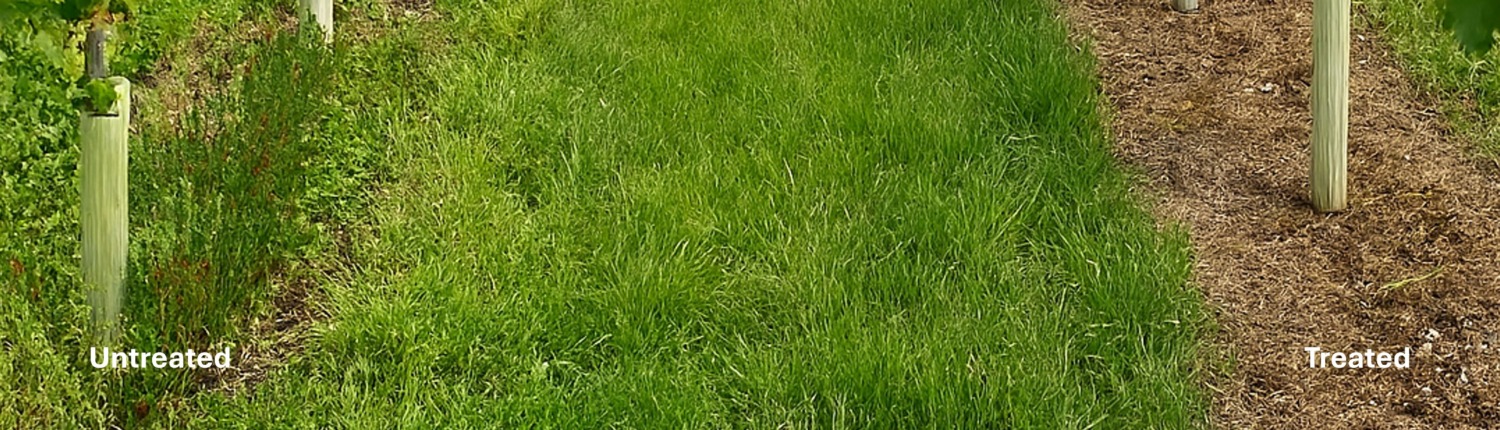
Independent results have shown that the system provides full control of weeds.
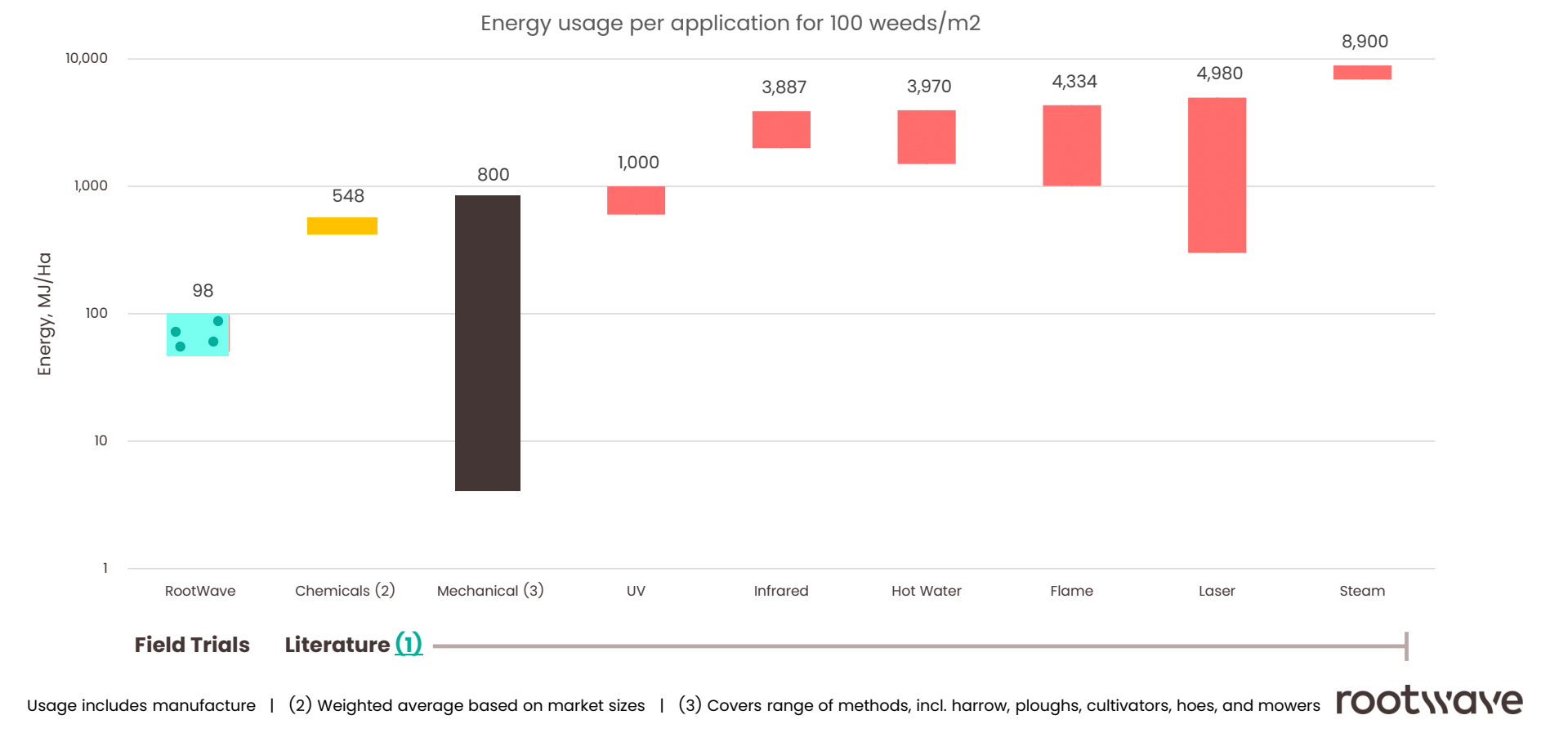
RootWave’s patented high-frequency weed control technology consistently delivers outstanding levels of weed control across row-crops and permanent-crops, achieving up to 99% control. It uses just a fifth of the energy verses herbicides. The system compares even better against other alternative weed control methods and offers a unique combination of high control and low energy use on both small and large weeds.
Chief Executive Officer Andrew Diprose said:
“In independent tests, RootWave provides better weed control in fewer treatments with no impact on crop or soil. We have a system that can provide low-cost weed control that helps nature restore biodiversity.
“Electricity provides full control of weeds by boiling them from the root upwards. This is an advantage over other alternative methods that cut or burn the weed above the surface, leaving the roots.”
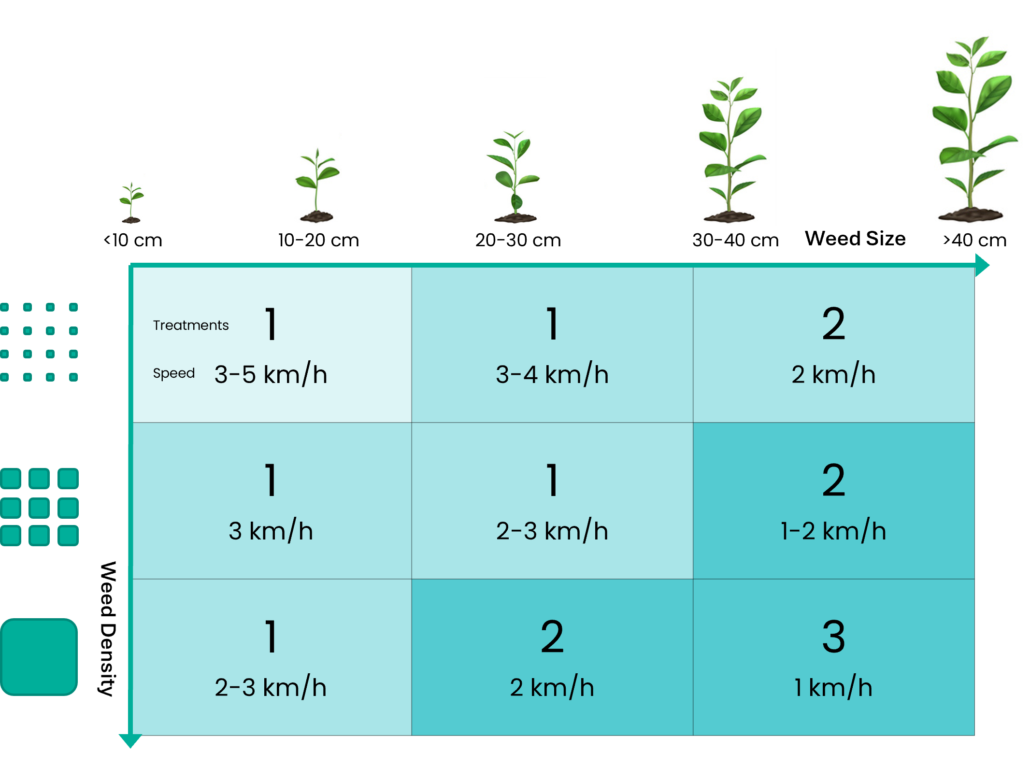
The following graphic provides guidance on the number and speed of initial treatments required to move to a maintenance scenario of 3 quick treatments a year. Similar to herbicides, it can take several treatments to get on top of the weeds if a grower is starting from an overgrown field where the weeds are mature and their roots deep.
Full control and low energy use
RootWave’s machine is connected to a standard tractor, with the PTO powering our generator. The technology is compatible with autonomous tractors and green energy sources, such as driverless tractors and carbon-free fuels.
In the company’s own tests, effective weed control was delivered from just 50 megajoules (MJ) of energy per hectare (recorded range 50-98 Mj/Ha) – by comparison herbicides use over 500 Mj/Ha when including production. Other alternative weed control methods range from 800 to over 8,000 Mj/Ha.